

Are you in search of top-tier stunt scooters? Look no further than Proline Skates. We proudly feature a diverse selection of some of the best stunt scooters available, all at unbeatable prices. Our inventory includes renowned brands such as Blunt, Madd, and Slamm, just to name a few.
Stunt Scooters
Showing 14 Products
Showing 14 Products
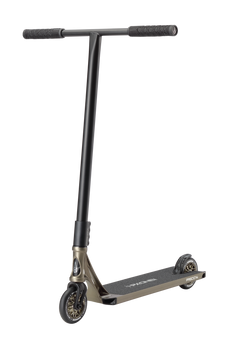
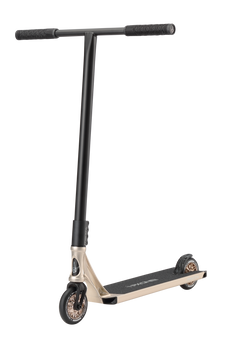
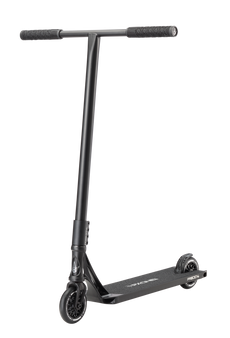
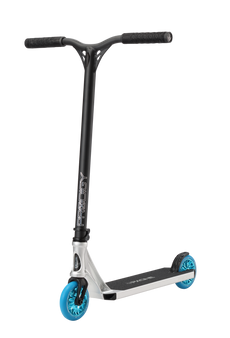
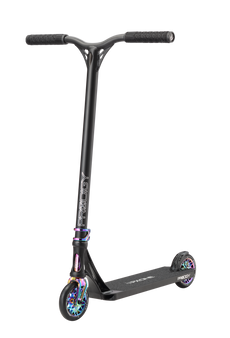


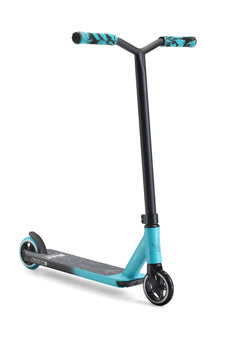
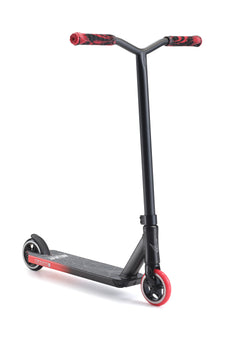


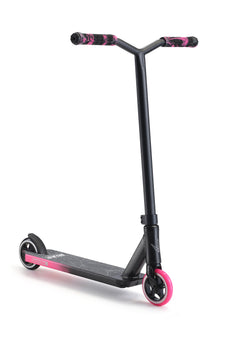
Choosing a stunt scooter isn't simply about picking the best-looking one. Deck size, scooter height, wheel size, bar dimensions, weight and compression all affect how a scooter feels and who it is best suited to. With stunt scooters from brands including Madd Gear, Slamm and Rage, Proline Skates has options for younger riders learning their first tricks through to riders looking for a more serious freestyle setup.
We've put together this guide to make choosing your next stunt scooter easier. Below you'll find a comparison of some of the key scooters in our range, followed by a plain-English explanation of the specifications that can otherwise make stunt scooters seem unnecessarily complicated.
The short version: don't choose a stunt scooter based on price alone. Start with the rider's height, age, riding style and experience, then look at the deck, bars, wheels and overall weight. A more expensive scooter isn't automatically the right scooter for a particular rider.
Which Stunt Scooter Should I Choose?
First Stunt Scooter Look for a manageable size, straightforward construction and a price that leaves room to learn without over-specifying the scooter.
Smaller / Younger Rider Pay particular attention to overall scooter height, bar height and deck length. Smaller isn't necessarily cheaper.
Park Rider Lighter scooters and compact decks can make spins, whips and aerial tricks easier.
Street Rider Wider and longer decks, stronger construction and street-oriented geometry become increasingly important.
Compare Stunt Scooters: Proline Range Guide
The table below compares models currently represented in the Proline Skates stunt scooter range. We've concentrated on the specifications that actually help when choosing a scooter, rather than filling the table with technical information that has little meaning to most buyers.
Important: colourways, prices and availability can change. Always check the individual product listing for the latest specification before ordering.
| Stunt Scooter | Best Suited To | Overall Height | Deck | Wheels | Bars | Complete Weight | Max Rider | Key Point |
|---|---|---|---|---|---|---|---|---|
| Madd Gear MG 2 Obsidian Great First Scooter |
Younger riders starting freestyle scootering | Product-specific | 4" wide × 19" long Extruded aluminium |
100mm × 88A Composite core |
21" high × 18" wide Chromoly steel |
3.40kg | 100kg | Compact, straightforward setup with a 4" deck and 100mm wheels. |
| Madd Gear MG 3 Zen Best Value Progression |
Riders aged 8+ progressing their tricks | Product-specific | 4.5" wide × 19.5" long Extruded aluminium |
110mm × 88A Composite core |
23" high × 20" wide Chromoly steel |
3.60kg | 100kg | A useful step up from smaller entry-level setups, with 110mm wheels and a larger deck. |
| Madd Gear MG 4 Titan | Riders aged 8+ stepping up their skills | Product-specific | 5" wide × 19.5" long Fluted hybrid boxed deck |
110mm × 88A Aluminium alloy core |
24" high × 22" wide Chromoly steel |
3.70kg | 100kg | Bigger 5" deck and alloy-core wheels provide a more substantial setup. |
| Madd Gear Viral Purge | Intermediate riders | 83cm | 4.5" wide × 19.5" long Legacy Fluted Park Hybrid |
110mm × 88A Corrupt alloy core |
24" high × 22" wide Low-rise aluminium bar |
3.70kg | 100kg | Strong intermediate specification with alloy-core wheels and ABEC-11 bearings. |
| Slamm Classic Mini Pro Best For Younger Riders |
Riders aged 4+ | 75cm | 4.5" wide × 19" long T6 aluminium boxed channel |
110mm × 24mm 88A high rebound PU |
19.5" high × 19.5" wide One-piece steel T-bar |
Not specified | 100kg | Low 75cm overall height and 69cm ride height make this particularly interesting for younger/smaller riders. |
| Slamm Classic Pro | Beginner riders progressing into tricks | 81.5cm | 4.5" wide × 19" long T6 aluminium boxed channel |
110mm alloy core 88A high rebound PU |
20.5" wide × 22.5" high Steel riser T-bar |
Not specified | 100kg | Excellent middle ground for a rider moving beyond an entry-level scooter. |
| Slamm Mischief Pro Lightweight Pick |
Riders progressing into more advanced tricks | 81.5cm | 4.8" wide × 20.5" long T6 aluminium, park-style |
110mm × 24mm Nylon core, 88A PU |
20.5" wide × 22.5" high Chromoly steel T-bar |
3.00kg | 100kg | A notably light 3kg complete with a larger 4.8" × 20.5" deck. |
| Slamm Assault Pro Street Pick |
Intermediate riders, particularly street-focused riders | 81cm | 5.1" wide × 20.5" long T6 aluminium box-cut deck |
110mm × 24mm 6061 aluminium core, 88A PU |
20.5" wide × 22.5" high Chromoly steel T-bar |
3.64kg | 100kg | Wider 5.1" deck, welded front end, peg-cut rear and alloy-core wheels make this particularly interesting for street-oriented riding. |
| Slamm Strobe Pro Street / Advanced |
Advanced riders and modern street riding | 84cm | 5.5" wide × 20.5" long T6 aluminium box-style deck |
115mm × 24mm 6061 aluminium core, 88A SHR PU |
22.5" wide × 23.6" high Chromoly steel T-bar |
3.53kg | 100kg | 5.5" street-focused deck, peg-cut rear and 115mm alloy-core wheels. |
| Madd Gear Origin IV 450 Best Lightweight Premium Option |
Riders 127cm+ looking for a lightweight premium complete | 81.5cm | 4.5" wide × 18" long Ultra-Light Flute-Tech Pro |
110mm × 88A Aluminium Turbine core |
21" wide × 23" high 6061 T6 aluminium |
3.20kg | 100kg | Very light 3.20kg complete with premium alloy components and a compact 18" deck. |
| Madd Gear Origin IV 500 Advanced / Taller Rider |
Riders 152.4cm+ looking for a larger premium setup | 87cm | 5" wide × 19.5" long Ultra-Light Flute-Tech Pro |
110mm × 88A Aluminium Turbine core |
23" wide × 25" high 6061 T6 aluminium |
3.35kg | 100kg | Larger 5" deck and 25" bars while remaining remarkably light at 3.35kg. |
| Madd Gear Origin IV 550 Largest Origin |
Riders 165.1cm+ / taller teens | 89.2cm | 5.5" wide × 20.5" long Ultra-Light Flute-Tech Pro |
110mm × 88A Aluminium Turbine core |
23" wide × 26" high 6061 T6 aluminium |
3.63kg | 100kg | The largest Origin option, designed around a 5.5" × 20.5" deck and taller 26" bars. |
Specifications shown above are based on current product/manufacturer information available for the listed models. Specifications can change between model generations, so please check the individual product page before purchasing if a particular measurement is critical.
How To Read Stunt Scooter Specifications
Stunt scooter specifications can look complicated at first. Here's what the numbers actually mean.
| Overall scooter height | The height from the ground to the top of the handlebars. This is useful when comparing complete scooters, but it isn't the only measurement that matters when deciding whether a scooter will suit a rider. |
|---|---|
| Ride height | The measurement from the top of the deck to the top of the grips. Where available, this can be particularly useful because it tells you how high the bars sit relative to where the rider actually stands. |
| Deck length | The distance from the front of the deck to the rear. Shorter decks generally feel more nimble, while longer decks provide more room and can be advantageous for stability and street riding. |
| Deck width | The side-to-side width of the deck. A wider deck gives the rider more foot room and can be particularly useful for street riding, grinds and riders who prefer a more planted feel. |
| Wheel diameter | Usually shown in millimetres, such as 100mm, 110mm or 115mm. Larger wheels can provide more roll and carry speed well, while smaller wheels can feel nimble and responsive. |
| Wheel core | The material and structure in the centre of the wheel. Composite or nylon cores are common on entry-level and lightweight setups, while aluminium cores are widely used on higher-spec scooters. |
| Wheel hardness | Often shown as a number followed by "A", such as 88A. This describes the hardness of the polyurethane tyre. The exact feel depends on the complete wheel construction, the riding surface and the rider. |
| Bar height | The height of the handlebar itself, rather than the overall scooter height. Bar height should be considered alongside rider height, deck height and personal preference. |
| Bar width | The distance from one side of the handlebar to the other. Wider bars can offer stability and leverage, while narrower bars can feel quicker and more compact. |
| Bar material | Steel and aluminium are common materials in complete stunt scooters. Aluminium can help reduce weight, while steel is widely used where strength and durability are priorities. |
| Compression | The system that keeps the fork, headset and bars securely connected while allowing the front end to rotate. Common systems include IHC, HIC, SCS and ICS. |
| Fork | The component connecting the front wheel to the headset and bars. Fork compatibility becomes particularly important if you later start upgrading individual components. |
| Headset | The bearings that allow the bars and fork to rotate smoothly. Integrated and non-integrated headsets use different deck/headset arrangements. |
| Clamp | The component that secures the bars to the fork. The clamp must be compatible with the bar diameter and the rest of the scooter's compression system. |
| Complete scooter weight | The weight of the fully assembled scooter. For riders learning aerial tricks, a lighter scooter can be easier to move, spin and control. Heavier scooters can provide a more substantial feel and may prioritise robustness. |
Choosing A Stunt Scooter By Rider
There isn't one universal "best stunt scooter". The right choice depends heavily on the rider. A scooter that is ideal for a four-year-old learning their first tricks could be completely unsuitable for a taller teenager riding street.
| Rider situation | What to prioritise | What to avoid | Examples from Proline |
|---|---|---|---|
| Very young / small rider | Lower overall height, shorter bars and a manageable deck. | Buying a much taller scooter simply because it is more expensive or has more features. | Slamm Classic Mini Pro |
| First stunt scooter | Sensible dimensions, robust construction and a straightforward complete setup. | Paying for advanced components the rider isn't ready to benefit from. | Madd Gear MG 2 Obsidian |
| Learning tricks and progressing | Appropriate bar height, 110mm wheels and a deck that isn't too large or heavy. | Oversized street setups that may feel cumbersome for a smaller rider. | Madd Gear MG 3 Zen Slamm Classic Pro |
| More serious park rider | Low complete weight, responsive geometry and quality components. | Choosing solely on deck width without considering the total scooter weight. | Madd Gear Origin IV 450 |
| Intermediate rider | A stronger deck, quality wheels and a setup that can continue to support progression. | Assuming that "pro" in a model name automatically means it is suitable for every rider. | Madd Gear Viral Purge Slamm Mischief Pro |
| Street rider | Wider/longer decks, strong construction, grind-friendly deck design and suitable bars. | Choosing an ultra-light park setup if the rider primarily rides street. | Slamm Assault Pro Slamm Strobe Pro |
| Taller teenager | Rider height, bar height and deck dimensions become particularly important. | Buying a compact scooter simply because it has a high specification. | Madd Gear Origin IV 500 Madd Gear Origin IV 550 |
Park vs Street Stunt Scooters
One of the biggest changes you'll notice as you compare stunt scooters is the difference between park-oriented and street-oriented designs.
Park Scooters
Park riding tends to involve ramps, bowls, transitions, jumps and aerial tricks. Riders often value a scooter that is light, responsive and easy to move through tricks.
Look for:
- Lower overall weight
- Responsive deck geometry
- Compact deck dimensions
- Appropriate bar height and width
- Good-quality bearings and wheels
The Madd Gear Origin IV 450 is a good example of a lightweight, compact premium complete, weighing just 3.20kg.
Street Scooters
Street riding puts different demands on a scooter. Riders often favour wider and longer decks, strong construction and designs that work well for grinds and heavier street tricks.
Look for:
- Wider decks
- Longer decks
- Strong welded construction
- Grind-friendly deck ends
- Robust bars and forks
The Slamm Assault Pro and Slamm Strobe Pro are particularly interesting examples within the current Proline range.
Stunt Scooter Decks Explained
The deck is the platform you stand on, and it has a huge influence on how a stunt scooter feels. Two scooters can have similar wheels and bars but feel completely different because of their deck dimensions.
Deck dimensions are normally written as width × length. For example, a 5.1" × 20.5" deck is 5.1 inches wide and 20.5 inches long.
A shorter deck generally feels more compact and responsive, which can appeal to riders concentrating on park tricks and aerial manoeuvres.
A longer deck gives you more room under your feet and can feel more stable, particularly when riding street or performing grinds.
A wider deck provides more standing area and is increasingly common on street-focused scooters. The Slamm Strobe Pro, for example, uses a substantial 5.5" × 20.5" box-style deck.
Stunt Scooter Wheels Explained
Wheel specifications are another area where stunt scooters can seem confusing. The most important figures are normally diameter, width, hardness and core type.
| Wheel specification | What it means | What you'll see in our range | Why it matters |
|---|---|---|---|
| 100mm | Smaller wheel diameter. | Madd Gear MG 2 | Compact and responsive setup. |
| 110mm | One of the most common stunt scooter wheel sizes. | MG 3, MG 4, Viral Purge, Classic Pro, Mischief Pro, Assault Pro, Origin IV | Excellent all-round size with a large choice of compatible components. |
| 115mm | Slightly larger wheel diameter. | Slamm Strobe Pro | Can provide additional roll while remaining within a freestyle setup. |
| Nylon / Composite Core | Non-metal core construction. | MG 2, MG 3, Mischief Pro | Common on lighter and more affordable setups. |
| Aluminium Core | Metal wheel core construction. | MG 4, Viral Purge, Classic Pro, Assault Pro, Origin IV, Strobe Pro | A popular choice for more performance-oriented complete scooters. |
| 88A | Polyurethane hardness rating. | Common throughout the current range. | Helps describe the tyre compound, although wheel feel depends on the complete wheel construction. |
Stunt Scooter Bars: Height & Width Explained
Handlebar height is one of the most important things to get right. However, there isn't a single universal bar height that works for every rider.
Start with the rider's height, then consider the scooter's deck height, bar height and the rider's preferred riding style.
Bar width matters too. Wider bars can give a rider more leverage and a stable feel, while narrower bars can feel more compact and responsive.
Don't confuse bar height with overall scooter height.
A scooter advertised as 84cm tall does not have an 84cm handlebar. Overall height includes the deck, wheels and other components. When comparing scooters, make sure you are comparing like-for-like measurements.
A scooter advertised as 84cm tall does not have an 84cm handlebar. Overall height includes the deck, wheels and other components. When comparing scooters, make sure you are comparing like-for-like measurements.
What Is Stunt Scooter Compression?
Compression is the system that keeps the fork, headset and bars securely connected while allowing the front end of the scooter to rotate smoothly.
You'll commonly see terms such as IHC, HIC, SCS and ICS. These can look intimidating when you're buying your first complete stunt scooter, but you don't need to understand every engineering detail to choose a complete scooter.
Compression becomes much more important when you start building or upgrading a scooter from individual parts. That's when compatibility between the fork, bars, clamp and compression system really matters.
Buying a complete scooter? Don't get too hung up on compression terminology. Choose a complete scooter that is the correct size and specification for the rider. If you're building a custom scooter, compatibility becomes much more important.
Complete Stunt Scooter vs Custom Scooter
Complete Stunt Scooter
A complete scooter arrives as a matched setup. The manufacturer has already selected the deck, bars, fork, wheels, headset, compression and clamp to work together.
Best for: beginners, younger riders and riders who want to get riding without having to understand component compatibility.
Custom Stunt Scooter
A custom scooter is assembled from individual components. This allows the rider to choose exactly how the scooter feels and performs.
Best for: experienced riders who understand their preferred geometry and are comfortable checking compatibility between components.
Our Stunt Scooter Picks
Rather than claiming there is one "best stunt scooter", we've picked models for different jobs. The right choice depends on the rider.
Best For Younger Riders
Slamm Classic Mini Pro
With a 75cm overall height, 69cm ride height and 19.5" × 19.5" bars, the Classic Mini Pro is a particularly interesting option for younger riders. It is designed for riders from 4+ and uses a 4.5" × 19" aluminium deck with 110mm wheels.
Best First Scooter
Madd Gear MG 2 Obsidian
The MG 2 keeps things relatively straightforward with a 4" × 19" aluminium deck, 100mm composite-core wheels and 21" × 18" chromoly steel bars. It is designed for younger riders aged 5+ and weighs 3.40kg.
Best Value Progression
Madd Gear MG 3 Zen
The MG 3 moves up to a 4.5" × 19.5" deck, 110mm wheels and 23" × 20" bars while retaining a sensible 3.60kg complete weight. It's a strong option for an 8+ rider beginning to take freestyle riding more seriously.
Best Lightweight Premium Option
Madd Gear Origin IV 450
The Origin IV 450 is particularly interesting because its premium specification doesn't come with a huge weight penalty. At 3.20kg, with a 4.5" × 18" deck and 110mm aluminium Turbine wheels, it offers a compact, lightweight setup for riders from 127cm tall.
Best Lightweight Larger Deck
Slamm Mischief Pro
The Mischief Pro combines a larger 4.8" × 20.5" deck with a complete weight of just 3kg. That's an interesting combination for riders who want more deck without wanting a heavy scooter.
Best Street-Focused Option
Slamm Assault Pro
The 5.1" × 20.5" box-cut deck, welded front end, peg-cut rear and 110mm aluminium-core wheels make the Assault Pro a natural choice for riders who want a more street-oriented setup while retaining the ability to ride park.
Largest / Taller Rider Pick
Madd Gear Origin IV 550
At 89.2cm overall height, with 26" × 23" aluminium bars and a 5.5" × 20.5" deck, the Origin IV 550 is the largest of the Origin options and is designed around riders from 165.1cm tall.
Stunt Scooter FAQs
What is a stunt scooter?
A stunt scooter, also called a freestyle scooter, is designed for tricks, jumps and skatepark or street riding. Unlike many basic commuting scooters, stunt scooters use non-folding construction and components designed to cope with repeated trick riding.
What is the best stunt scooter for a beginner?
The best beginner stunt scooter depends on the rider's size and age. For younger riders, the Slamm Classic Mini Pro is worth considering because of its 75cm overall height. The Madd Gear MG 2 Obsidian is another straightforward option for younger riders starting freestyle scootering.
What size stunt scooter should I buy?
Start with the rider's height, then compare the scooter's overall height, ride height and handlebar dimensions. A scooter should feel controllable rather than simply being as tall as possible. For specific models, always check the manufacturer's recommended rider height.
Are bigger stunt scooters better?
Not necessarily. Larger decks and bars can provide more room and stability, but a smaller rider may find a large scooter difficult to control. Park riders may also prefer a lighter, more compact setup for aerial tricks.
Are 110mm wheels good for a stunt scooter?
Yes. 110mm is a very common stunt scooter wheel size and appears across many of the Madd Gear and Slamm complete scooters in the Proline range. The right wheel depends on the complete scooter and what the rider is trying to achieve.
What is the difference between nylon and aluminium scooter wheels?
The core is the centre section of the wheel. Nylon or composite-core wheels are commonly found on lighter or more affordable scooters, while aluminium-core wheels are widely used on more performance-oriented setups. The complete wheel construction matters, so core material should not be considered in isolation.
Are stunt scooters suitable for skateparks?
Yes. Stunt scooters are specifically designed for freestyle riding, including skateparks. Park-focused scooters generally prioritise low weight and manoeuvrability, while street scooters often use wider and longer decks for stability and grinding.
What is IHC compression on a stunt scooter?
IHC stands for Internal Hidden Compression. It is a compression system used to keep the fork, headset and bars securely connected while allowing the front end to rotate. IHC is found on many complete stunt scooters.
Should I buy a complete or custom stunt scooter?
A complete scooter is usually the simplest choice for beginners because the components have already been selected to work together. Custom scooters make more sense once a rider understands their preferred deck, bar, wheel and compression setup.
What is the difference between a park and street stunt scooter?
Park scooters generally favour lighter weight and responsive geometry for ramps, jumps and aerial tricks. Street scooters often use wider and longer decks and stronger construction to provide stability and cope with street riding and grinds.
Find Your Stunt Scooter at Proline Skates
Whether you're buying a first stunt scooter for a young rider, upgrading to a lighter freestyle setup or looking for a wider street-oriented scooter, the most important thing is matching the scooter to the rider rather than simply choosing the most expensive model.
Use the comparison above to narrow down the specifications that matter to you, then browse the current range to see the colours, prices and availability of each model.
Still not sure? If you're choosing between two scooters and aren't sure which size or specification makes more sense, contact Proline Skates and we'll be happy to help you compare them.